A Growing Opportunity: Grass-Based Livestock
Vermont’s agricultural landscape is changing. As consolidation accelerates and farmers age out of the industry, thousands of acres of productive farmland are at a crossroads.
Data from American Farmland Trust paints an urgent picture: farmland is being converted out of agriculture at a rate faster than even the most extreme projections from a decade ago. Once land leaves farming, it rarely comes back.
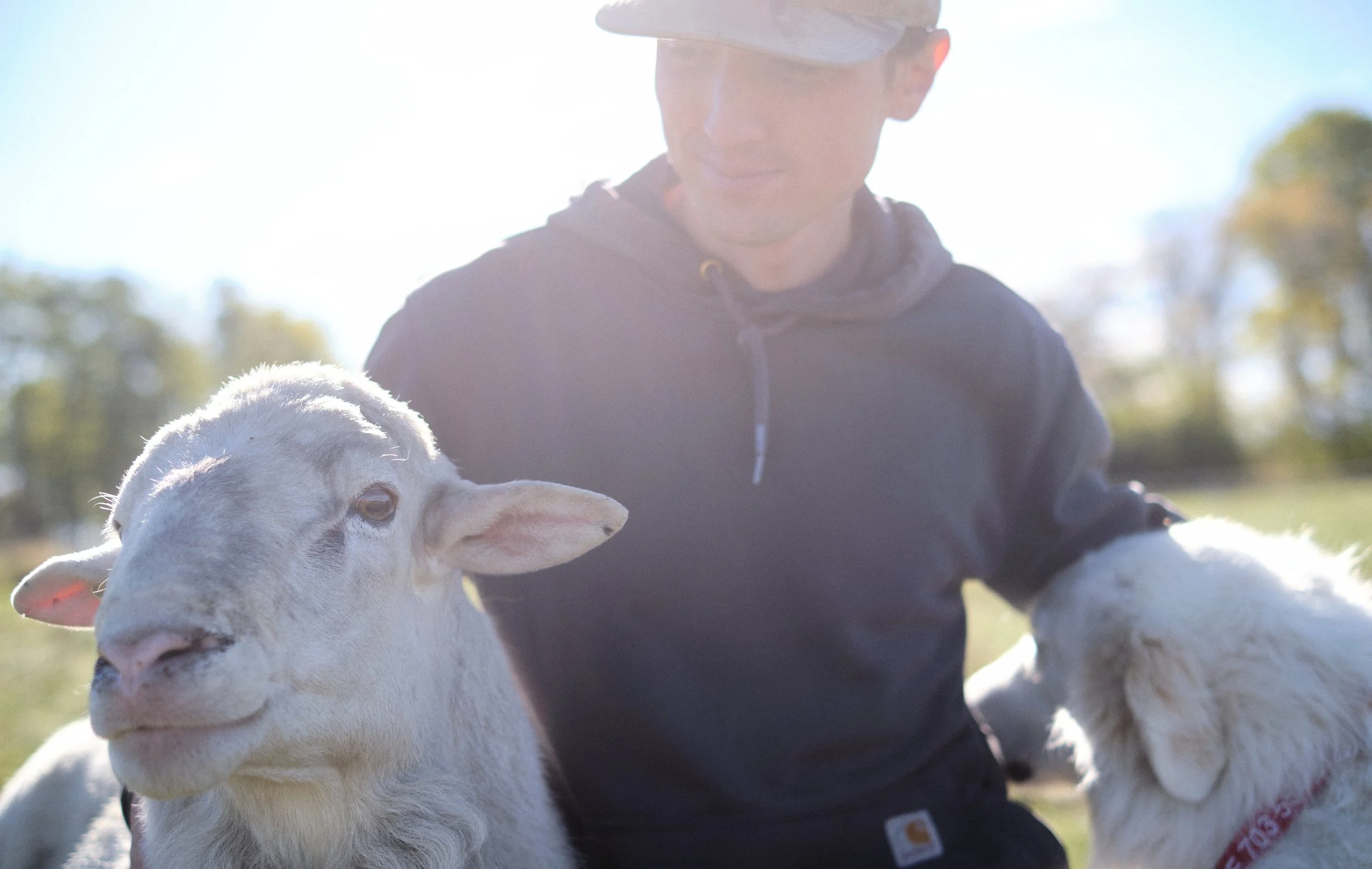
Sustainable Solar Grazing. Photo by Corey Hendrickson
The question facing Vermont isn’t just how we support farmers today - it’s how we ensure that our working lands remain working for generations to come.
One of the most promising answers lies in grass-based farming, a practice that builds carbon, reduces runoff, and produces high-quality proteins at a time when consumers are looking to align food choices with production practices like grass-fed, regenerative, or organic.
Pasture-based livestock systems are emerging as resilient and adaptable uses for Vermont’s abundant pasture lands, which are well-suited perennial pasture. Grass-fed beef and lamb, pasture-raised poultry, and value-added dairy products are meeting growing consumer demand for food that is locally produced, environmentally responsible, and rooted in animal welfare.
These systems offer something especially important in this moment: a way to keep land in agriculture while supporting farms that are economically sustainable and aligned with Vermont’s values. Grass-fed operations rely less on external inputs, leading to greater resiliency and more dollars circulating in the local economy.
Grass-based farms allow farmers to design businesses that match their scale, markets, and personal goals. For many new and beginning farmers, this flexibility is essential.
Each year, the Intervale Center works with roughly 130–140 farms across all corners of Vermont. About 60–70% of them are new and beginning farmers - people who are entering agriculture at a time when the old playbook no longer applies. Many are turning to grass-based livestock because it offers:
• Lower start-up costs than conventional dairy
• Greater flexibility in scale and markets
• Opportunities in growing sectors like grass-fed beef and sheep
• A path to stewardship that aligns with ecological values
These farmers are not just filling a gap - they’re redefining what viable agriculture looks like in Vermont.
The Intervale Center is committed to making sure this transition strengthens Vermont’s farming future. Our work focuses on turning opportunity into lasting impact.
Grass-based systems succeed when strong production is paired with strong business planning. We provide training and technical assistance in business management, enterprise budgeting, and market development so farmers can build operations that are profitable as well as sustainable.
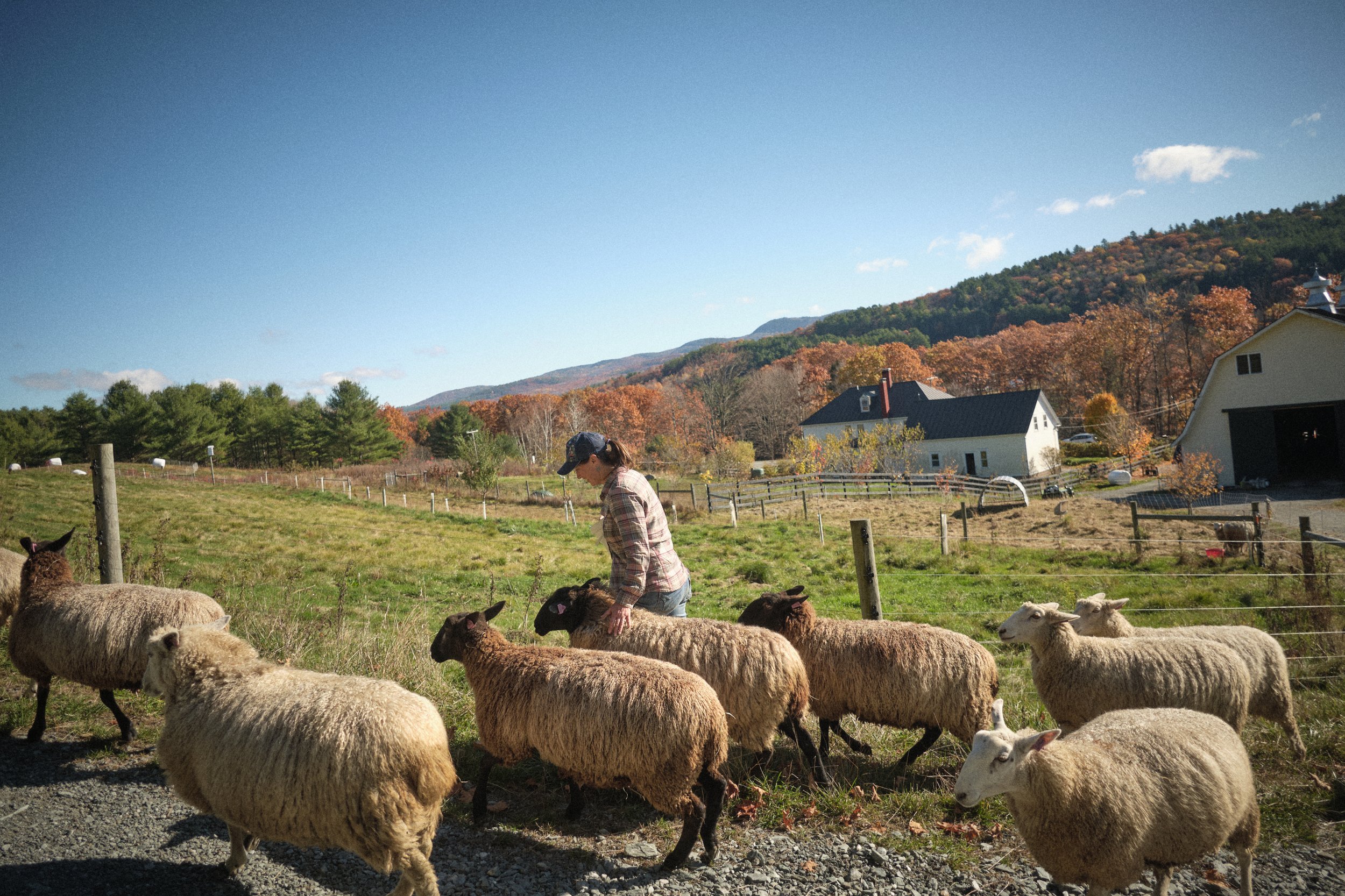
Maplemont Farm. Photo by Corey Hendrickson
Through reports and research on grass-fed beef, sheep, and other pasture-based enterprises, we help identify trends, challenges, and opportunities - giving farmers and partners the tools they need to grow these sectors thoughtfully.
As farm types and scales shift across the state, access becomes one of the biggest barriers for new farmers. The Intervale Center works directly on land transitions and conservation solutions to help keep land accessible and in active use.
Recent work supporting Sweet Pickins Farm’s purchase of 30 acres for pasture-based poultry production is one example of how land access, conservation, and farm viability come together in practice - ensuring that farmers can invest confidently in the long term.
Every acre that stays in agriculture is a win for food security, rural economies, and Vermont’s landscape. By helping farmers transition land into productive grass-based systems, we are actively countering the trend of farmland loss and keeping working lands in use.
The challenges facing Vermont agriculture are real. But within this moment of transition lies an important opportunity.
Grass-based farming is not a niche - it is becoming a cornerstone of Vermont’s agricultural future. It offers a way to steward land, support new farmers, meet market demand, and build resilient rural economies at the same time.
At the Intervale Center, we believe that the future of Vermont agriculture will be shaped by farmers who are adaptable, values-driven, and business-savvy - and by communities that invest in keeping farmland in production.
By supporting grass-based livestock systems today, we are helping ensure that Vermont’s fields remain vibrant, productive, and deeply connected to the people who care for them.