Broadening Local Food Access and Impact Through Gleaning and Wholesale
Written by: April Mcllwaine, Intervale Food Hub Operation & Outreach Coordinator
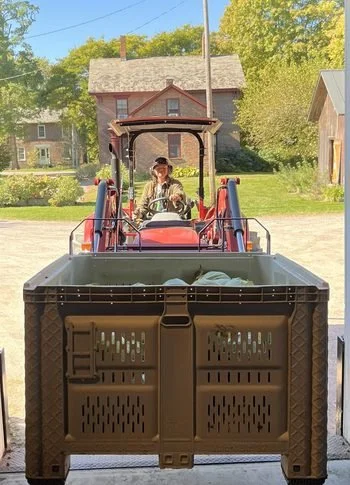
Gleaning and wholesale markets go hand in hand in supporting farm viability, reducing food waste, and providing everyone in the community with access to local food. Wholesale markets provide farms and food producers with sales channels for larger quantities of locally produced foods. Wholesale customers of the Intervale Food Hub range from large institutional kitchens like the ones at the University of Vermont to Burlington-based community programs offering meals, restaurants, and grocery stores in the greater Chittenden County area. Through these relationships, local food more easily reaches the hands and bellies of community members, and the dollars spent remain local, supporting an economy rooted in resilience and farm viability.
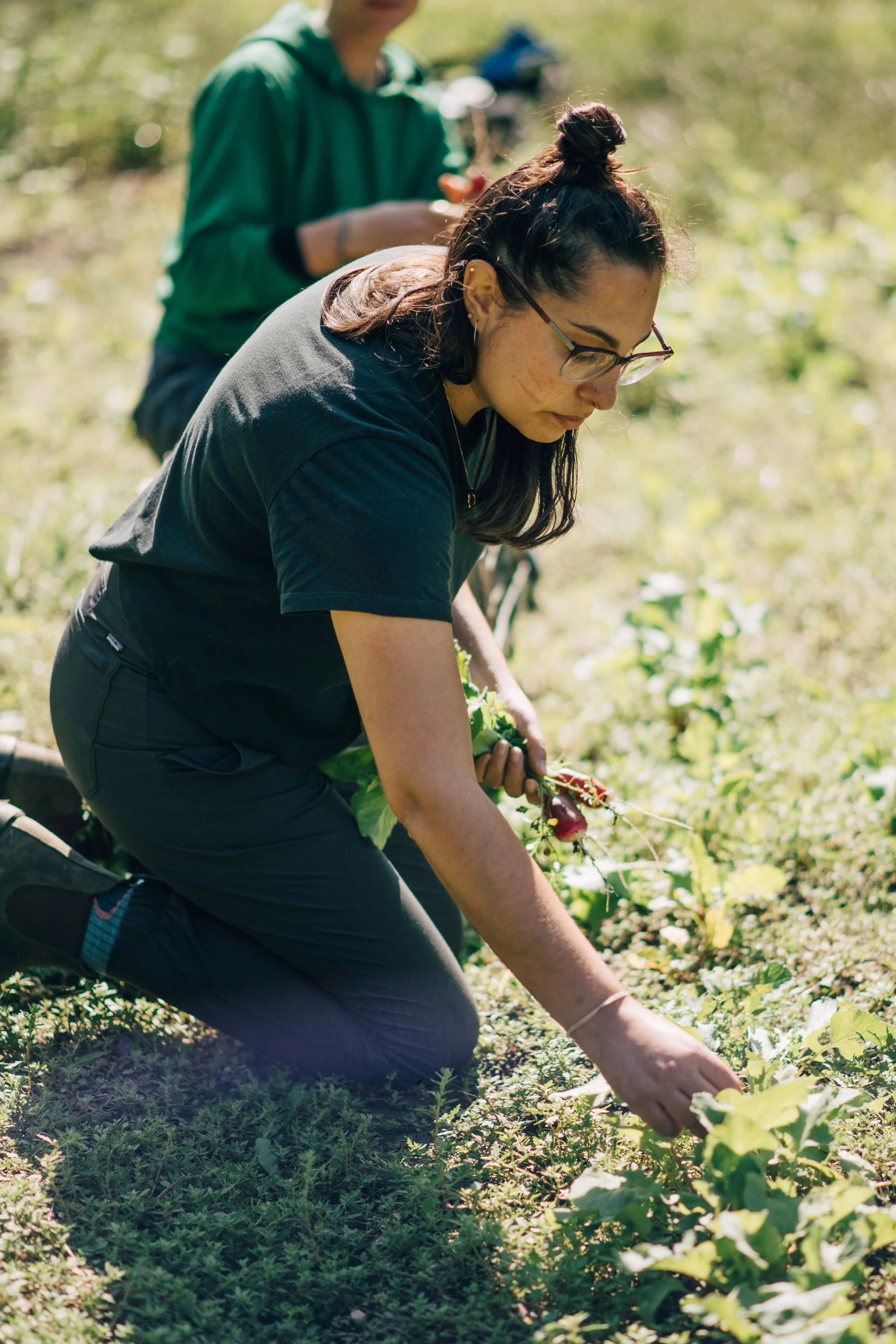
Photo by: Katie Palatucci
When planning for the season, many farmers and producers use meticulous calculations from past seasons to help decide how much they will grow or produce. For some wholesale customers, such as institutional kitchens, menus are created with enough advance notice that farmers can plan specifically for a customer's needs when developing their growing plan. This can be a useful strategy to help farmers cut down on waste as it provides a known and reliable market channel for a crop. Despite the best planning, however, there is often food left in the fields that doesn't sell or isn't a good fit for markets. This can be due to a variety of factors, including minor pest damage, cosmetic imperfection, or regrowth from crops that have already been harvested once and are no longer considered “A” quality. In these instances, gleaning is a great way to ensure that produce is still finding a way to feed people.
At the Intervale Center, our Food Access team has built relationships with farms across Chittenden County in an effort to rescue unharvested produce. With the help of volunteers, our team gleans 4-5 times a week. At each glean, crops are harvested to be distributed weekly through our free CSA, Fair Share, or to other community partners. These relationships ensure that locally grown and produced food is accessible to our more vulnerable neighbors. Additionally, providing opportunities to bring volunteers onto farms increases awareness of local farms operating in our area. This awareness gives an opening to shift consumer buying habits and create lasting connections between community members and their local food system.
Across the state, wholesale markets and gleaning are important pieces of our food system that enable food to reach community members. At the state level, the 2022 Census of Agriculture reported that 1,066 Vermont farms sold a total of $101 million worth of products to retail stores and institutions through wholesale channels. In 2025, the Vermont Gleaning Collective (of which the Intervale Center is a partner organization) gleaned a statewide total of 299,530 pounds of food for distribution through food access channels and community organizations. These numbers suggest real impact for farms and community members when we prioritize local food and inspire continued work toward building a viable and resilient Vermont food system.
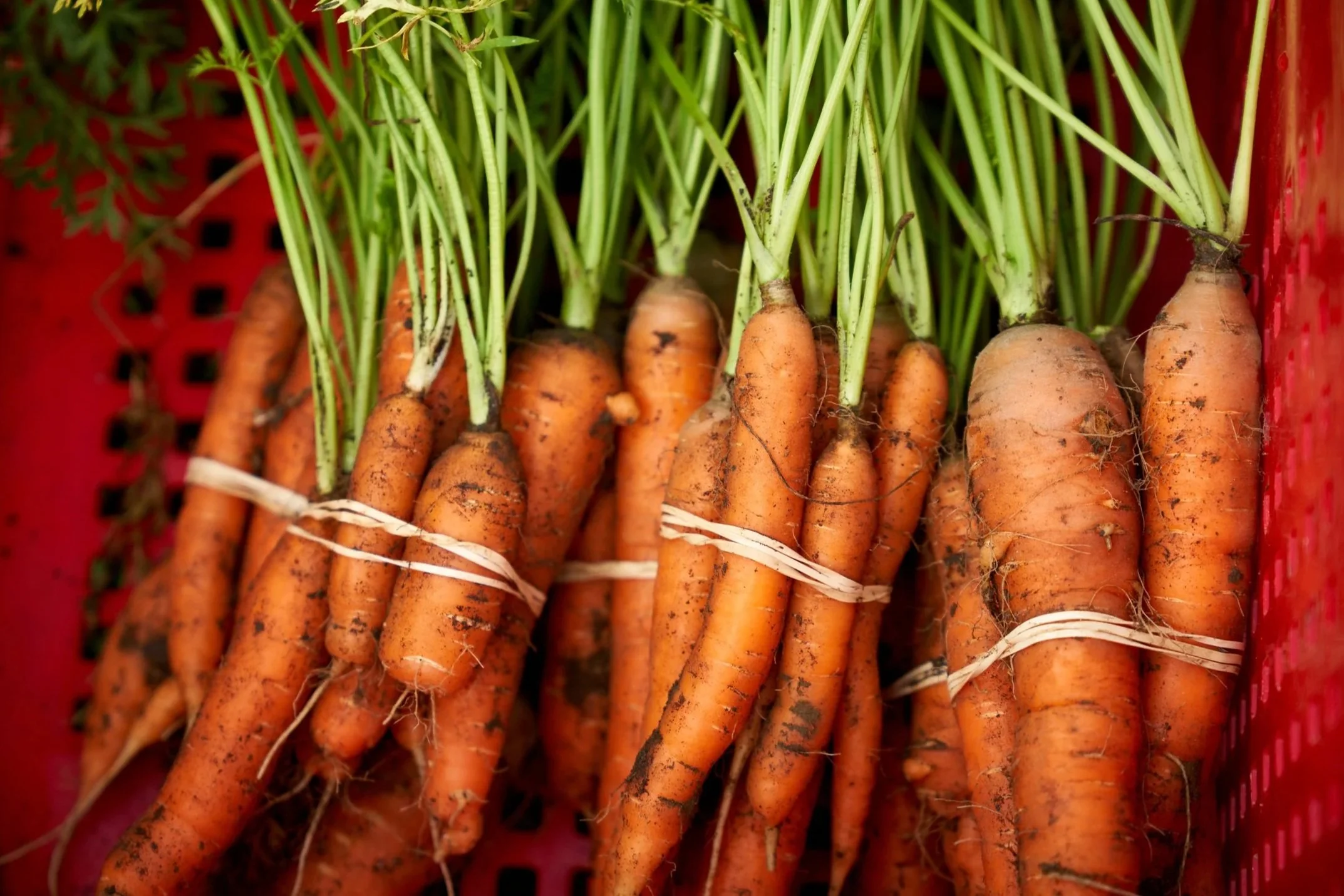
Photo by: Corey Hendrickson